Is Portland a Good Place to Invest in Rental Property?

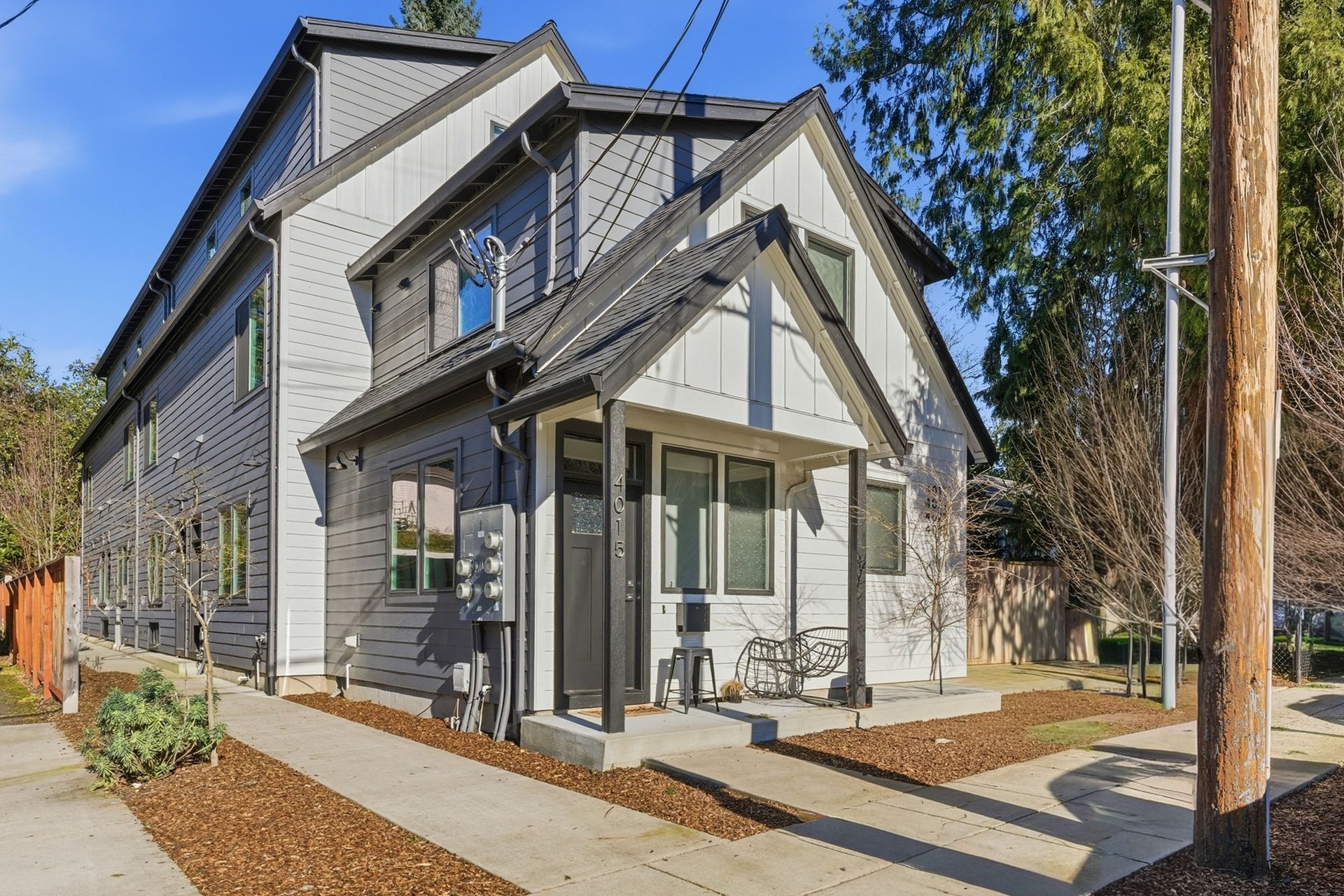
Portland continues to attract attention from real estate investors interested in rental properties in the Pacific Northwest. The market includes a wide range of opportunities, from smaller apartment buildings and garden-style properties to four-, five-, and six-unit plexes.
But deciding whether Portland is a good place to invest requires more than looking at a property's purchase price or expected monthly rent.
A better question is whether a particular property fits the investor's financial goals, management capacity, and long-term plans.
For local investors, out-of-state owners, brokers, and buyers considering a small multifamily property, investment portfolio management can play an important role in that decision. A Portland apartment or plex may be a useful addition to a portfolio, but its potential should be considered alongside operating expenses, building condition, tenant demand, rental requirements, maintenance needs, and the work involved in managing multiple units.
What Makes Portland Worth Considering for Rental Investment?
Portland has a variety of established residential neighborhoods and property types, which gives investors different options depending on their strategy.
A buyer might consider a smaller apartment building, a garden-style multifamily property, a four-plex, or another small residential income property.
That variety matters because investors do not all have the same objectives.
One investor may want steady rental income. Another may be focused on long-term property ownership and appreciation. Someone building a larger portfolio may be looking for a property that complements investments already held in other locations.
There is no universal answer to whether Portland is a good rental investment market.
The individual property matters.
How to Evaluate a Portland Multifamily Rental Property
The asking price is only the beginning of an investment analysis.
Before purchasing an apartment building or plex, an investor should consider the full cost of owning and operating the property.
Look Closely at the Property's Condition
A property that appears affordable may require substantial work after purchase.
Buyers should pay attention to the condition of major systems and building components, including:
- Roofing and exterior: Portland's rainy climate makes roofs, gutters, siding, windows, and drainage worth careful attention.
- Plumbing: Older buildings may have plumbing systems that require repairs or eventual replacement.
- Heating and cooling: The condition and age of HVAC equipment can affect both operating costs and future capital needs.
- Electrical systems: Buyers should understand the condition of electrical components, particularly in older multifamily buildings.
- Common areas: Hallways, entrances, parking areas, walkways, landscaping, and other shared spaces can all require ongoing maintenance.
- Individual units: Each apartment may have different maintenance needs depending on its condition, age, and recent turnover history.
A professional inspection can help identify concerns that may not be obvious during a standard property showing.
Estimate Realistic Rental Income
Expected rent should be based on realistic market information and the characteristics of the property.
Unit size, location, condition, parking, amenities, neighborhood characteristics, and tenant demand can all influence rental value.
Investors should also account for vacancy and turnover. A property with six units, for example, can experience a different financial impact from one vacant unit than a single-unit rental property.
The goal is to build an investment analysis based on reasonable assumptions rather than the best possible scenario.
Account for Operating Expenses
A useful analysis should include both recurring expenses and less frequent costs.
| Investment Factor | What an Investor Should Consider |
|---|---|
| Purchase price | Total acquisition cost and financing |
| Rental income | Realistic rent for each unit and potential vacancy |
| Maintenance | Routine repairs and unexpected property issues |
| Property taxes | Current costs and possible future changes |
| Insurance | Coverage requirements and annual premiums |
| Management | Cost of professional property management, if used |
| Capital improvements | Roof, HVAC, plumbing, appliances, and other major replacements |
| Common areas | Landscaping, cleaning, exterior care, and shared-space maintenance |
| Cash reserves | Funds available for unexpected expenses |
The purpose is not to predict every expense perfectly.
It is to avoid evaluating a property based on rental income alone.
The Role of Investment Portfolio Management
Buying one rental property and managing a larger real estate portfolio are different tasks.
Investment portfolio management involves looking at individual properties as part of a broader financial strategy.
For example, an investor who already owns several Portland rental properties may want to consider whether purchasing another property in the same area increases concentration in one market.
Another investor may be looking specifically for a Portland multifamily property because it complements properties owned in other cities.
Portfolio management can also involve deciding when to:
- Acquire another property
- Hold an existing property
- Make major improvements
- Refinance
- Sell an underperforming property
- Increase or reduce exposure to a particular market
A property that looks attractive on its own may not necessarily be the best choice for the owner's overall portfolio.
Why Property Management Matters to Multifamily Investors
Rental ownership has an operational side that is easy to underestimate.
Someone needs to respond when a resident reports a plumbing problem. Vacant units need to be prepared and marketed. Applicants need to be processed according to applicable requirements. Rent needs to be collected, repairs need to be coordinated, and property records need to be maintained.
With a small apartment building or plex, there may also be shared areas and building-wide maintenance to coordinate.
That becomes especially important as the number of units increases.
An owner managing six units has more tenant communication, rent tracking, maintenance requests, inspections, and potential turnover than an owner managing a single rental.
Working with KJK Properties PC - Property Management Division can provide local support for many of the operational responsibilities associated with rental ownership.
Portland Investment Property for Out-of-State Buyers
Portland can attract investors who live outside the region, but remote ownership requires additional planning.
Before purchasing a multifamily property, an out-of-state buyer should consider who will handle:
- Tenant communication
- Unit inspections
- Maintenance requests
- Contractor access
- Common-area maintenance
- Emergency situations
- Leasing and vacancy periods
- Rent collection
- Property documentation
An owner who lives several states away may not be able to visit a property quickly when a maintenance problem occurs.
Local support can therefore be an important part of the investment strategy.
The buyer should also understand the rental housing requirements that apply to the property rather than assuming the rules are the same as those in their home state.
What Local Buyers and Brokers Should Look For
Local investors have an advantage because they can visit properties more easily and become familiar with different Portland neighborhoods.
However, familiarity should not replace due diligence.
A buyer should still investigate the property's financial history, physical condition, rental potential, operating costs, and future maintenance requirements.
For small multifamily properties, buyers should also look at how the individual units contribute to the overall property performance.
A renovated apartment may attract strong tenant interest, but that does not automatically make the entire investment financially attractive. Investors should also examine the building's roof, plumbing, exterior, common areas, taxes, insurance, maintenance history, and other operating expenses.
Brokers working with investment clients can help buyers understand which operational details deserve closer attention.
For sellers, keeping clear records of repairs, improvements, rental history, and expenses can make the property easier for prospective investors to evaluate.
What Are the Risks of Investing in Portland Rental Property?
Every rental market has risks, and Portland is no exception.
Potential concerns include:
- Vacancy: Even a property with several units can experience periods when one or more apartments are not producing rental income.
- Unexpected repairs: Older multifamily properties may require repairs to building systems, units, or common areas.
- Operating costs: Insurance, taxes, utilities, landscaping, maintenance, and other expenses can affect returns.
- Tenant turnover: Preparing units between residents requires time and money.
- Financing costs: Changes in financing conditions can affect the economics of an investment.
- Regulatory requirements: Rental housing requirements can change, so owners need to stay informed about the rules that apply to their properties.
- Property condition: Deferred maintenance can become a significant expense if it is not identified and addressed.
These risks do not automatically mean an investor should avoid Portland.
They mean the investment should be evaluated using reasonable assumptions and adequate reserves.
A property that works only if every unit is occupied, every tenant pays on time, and no major repairs occur may have a much different risk profile from one with sufficient reserves and realistic operating assumptions.
Should You Buy, Hold, or Sell a Portland Rental?
The right decision can change as circumstances change.
A property purchased several years ago may have very different economics today because its market value, rental income, financing, maintenance costs, and operating expenses have changed.
Owners should periodically review questions such as:
- Is the property producing the expected return?
- Are maintenance costs increasing?
- Does the building still fit the owner's investment goals?
- Would selling improve portfolio diversification?
- Are major capital improvements coming due?
- Would professional management make ownership more practical?
- Does the property still fit within the owner's long-term plans?
These questions are useful for both individual owners and investors managing multiple multifamily properties.
Is Portland a Good Place to Invest in Rental Property?
There is no simple yes-or-no answer.
Portland can make sense for investors who carefully evaluate individual properties, understand the costs of ownership, maintain appropriate cash reserves, and have a realistic long-term strategy.
The location alone does not make a rental property a good investment.
For an apartment building, plex, or other multifamily property, the purchase price, unit rents, building condition, operating expenses, vacancy, financing, maintenance requirements, and management needs all matter.
The property's role within the investor's broader portfolio matters as well.
For an investor living outside Portland, the management side deserves particular attention. A property may look attractive financially but become difficult to operate if there is no reliable local support for tenant communication, maintenance, inspections, and unit turnover.
Conclusion
Portland can offer opportunities for investors interested in apartment buildings, plexes, and other multifamily rental properties. But successful investing requires more than purchasing a property in a desirable neighborhood.
Buyers should examine the numbers and physical condition. Sellers should maintain organized property records. Brokers should help clients understand the practical responsibilities that come with rental ownership.
For local investors and owners managing property from outside the Portland area, investment portfolio management and reliable day-to-day property oversight are important parts of the decision.
KJK Properties PC - Property Management Division provides property management support for owners who need help with the operational side of rental ownership. To learn more about Portland and the surrounding market, visit KJK Properties PC - Property Management Division, or Contact us to discuss your property management needs.
Frequently Asked Questions
Is Portland still worth considering for rental property investment?
Portland can be worth considering, but investors should evaluate each property individually. Purchase price, unit rents, operating expenses, property condition, vacancy, location, and long-term investment objectives all affect the potential outcome.
Are apartment buildings and plexes good rental investments in Portland?
They can be, depending on the property and the investor's strategy. Small multifamily properties can provide income from several units, but they also require investors to account for maintenance, tenant turnover, common areas, operating expenses, and property management.
What is investment portfolio management for real estate investors?
Investment portfolio management involves reviewing real estate holdings as part of an investor's broader financial strategy. It can include evaluating property performance, diversification, acquisitions, sales, financing, improvements, and long-term ownership decisions.
Should an out-of-state investor buy a Portland apartment or plex?
An out-of-state investor can purchase Portland multifamily property, but distance creates additional management considerations. Local maintenance coordination, tenant communication, inspections, unit turnover, and leasing should be planned before purchasing.
Do I need a property manager for a Portland multifamily property?
Not necessarily. Some experienced owners manage their properties themselves. Professional management may become more useful as the number of units increases, when an owner lives far away, or when the owner does not want to coordinate daily rental operations.
What should I consider before buying a Portland multifamily property?
Review the property's condition, rental income by unit, operating expenses, financing, taxes, insurance, maintenance history, vacancy assumptions, common-area responsibilities, capital improvement needs, and applicable rental housing requirements. It is also important to consider how the property fits your overall investment strategy.