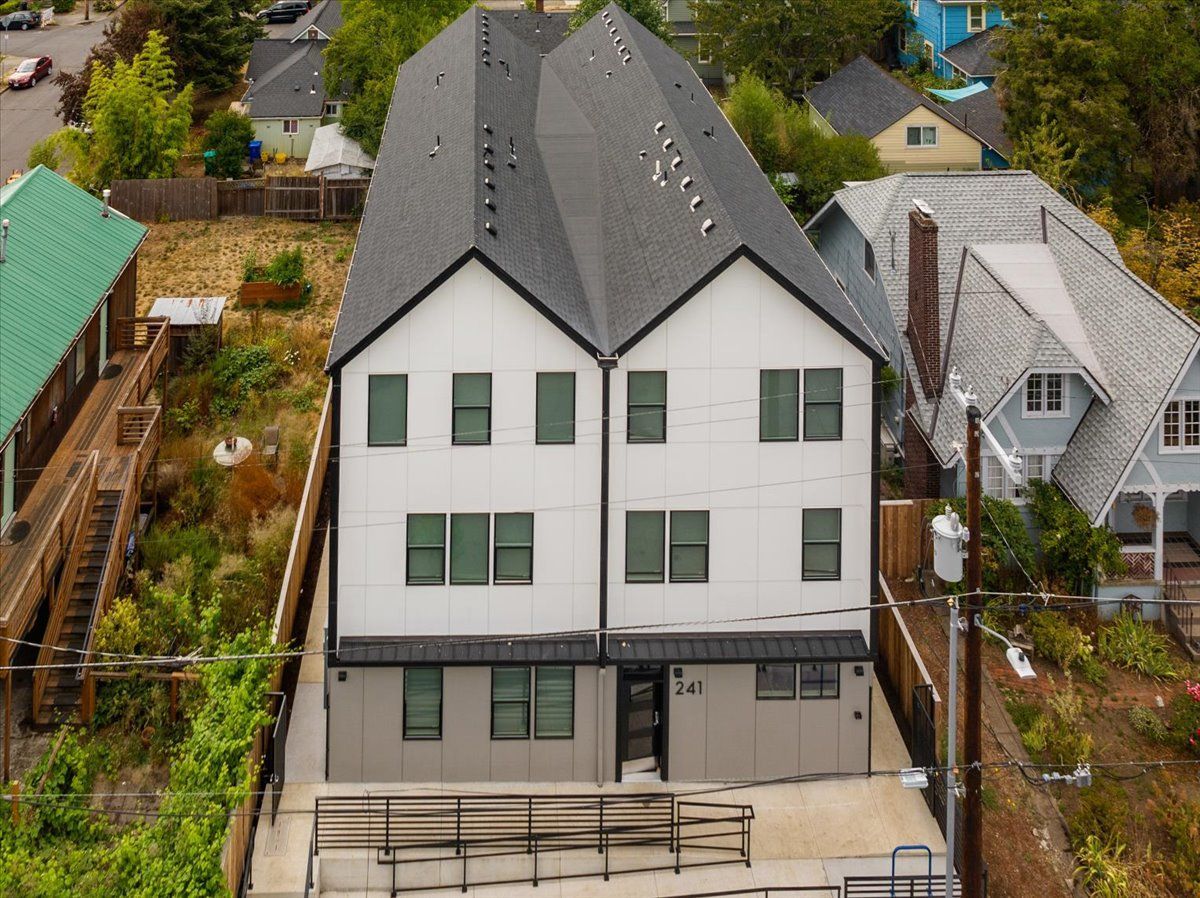
Property Management in Portland, Oregon: Complete Guide for Rental Property Owners

Owning a rental home in Portland can be rewarding, but it also comes with plenty of responsibilities. There is more to being a landlord than finding a tenant and collecting monthly rent. Property owners have to deal with maintenance requests, lease paperwork, inspections, vacancies, tenant communication, and local rental rules.
For some owners, these tasks are manageable. For others, especially people who own multiple properties or live outside the Portland area, keeping up with everything can become difficult.
Understanding how residential rental property management works can help owners create a more organized approach to running their rental properties.
What Does Residential Rental Property Management Include?
Residential rental property management covers the everyday work involved in keeping a rental property occupied, maintained, and properly managed.
Depending on the property and management arrangement, this may include:
- Advertising available rental properties
- Reviewing rental applications
- Preparing and managing lease agreements
- Collecting rent
- Responding to tenant questions
- Scheduling repairs and maintenance
- Conducting property inspections
- Handling move-in and move-out procedures
- Keeping rental records
- Coordinating vendors and contractors
- Managing vacancies and property turnover
The amount of work can change considerably from one property to another. A single rental home may have different needs from a property with several units.
For owners who want to understand the services involved, residential property management can include many of these day-to-day responsibilities.
Portland Rental Property Owners Need to Understand Local Rules
Rental laws are an important consideration for anyone operating a property in Portland. Oregon has statewide landlord-tenant requirements, while properties located within Portland city limits can also be subject to city-specific regulations.
Rent increases are one example. Oregon establishes a maximum annual rent increase percentage for certain covered residential tenancies. The percentage can change from year to year, so owners should check the current state requirements before preparing a rent increase notice.
Portland also has renter relocation assistance rules that may apply in certain situations. For example, some rent increases and tenancy terminations can trigger relocation assistance requirements.
This is an area where assumptions can create problems. A property owner should check the current requirements and determine whether the specific property and situation are covered before sending a notice to a tenant.
It is also worth confirming whether the property is actually inside Portland city limits. A Portland mailing address does not necessarily mean that a property falls under every City of Portland regulation.
| Management Responsibility |
Typical Tasks |
|---|---|
| Tenant screening | Processing applications and following consistent screening procedures |
| Leasing | Preparing agreements and completing move-in paperwork |
| Rent collection | Tracking payments and maintaining rental records |
| Maintenance | Receiving requests and arranging repairs |
| Inspections | Checking property condition and documenting issues |
| Communication | Responding to tenant questions and providing notices |
| Turnover | Preparing the property for the next tenant |
| Compliance | Following applicable state and local requirements |
| Reporting | Keeping owners informed about property activity |
Having a clear process for these responsibilities makes it easier to see what has been completed and what still needs attention.
Single Family Rental Property Management in Portland
A single-family rental may seem simpler to manage because there is only one household living in the property. However, the owner still has many of the same responsibilities found with other residential rentals.
Single family rental property management can involve everything from tenant screening and lease administration to maintenance, inspections, and turnover.
Maintenance deserves particular attention with single-family homes. A small plumbing leak, roof issue, appliance problem, or heating concern can become more expensive when it is left unresolved. Regular checks can help identify problems before they turn into larger repairs.
Property owners should also keep records of maintenance work, invoices, inspections, tenant communications, and other important documents. These records can be useful when reviewing the property's history or planning future work.
Owners interested specifically in this type of management can learn more about single family property management.
Handling Maintenance and Tenant Requests
Maintenance is often one of the most time-consuming parts of owning a rental property.
A tenant may report something as simple as a dripping faucet, while another request may involve a serious plumbing, heating, electrical, or water-related problem. Each situation needs to be reviewed based on its circumstances and urgency.
A practical maintenance process usually starts with documenting the tenant's request. From there, the appropriate person or vendor can be contacted, the work can be scheduled, and the completed repair can be recorded.
Preventive maintenance is useful as well. Checking common problem areas regularly can help owners stay ahead of repairs instead of dealing with every issue as an emergency.
Preparing a Rental Property Between Tenants
Tenant turnover is another period when several tasks can come together at once.
After a tenant moves out, the property may need an inspection, cleaning, repairs, maintenance, and other preparation before it is ready for another resident. The condition of the property should be documented carefully, especially when comparing move-in and move-out conditions.
A property that is prepared quickly and methodically can reduce unnecessary delays between tenancies. However, owners should not rush repairs or overlook required procedures simply to fill a vacancy.
Choosing Rental Property Managers in Portland
Some property owners prefer to handle everything themselves. Others decide that working with Rental Property Managers Portland owners can evaluate is more practical for their situation.
When comparing management options, it helps to look beyond the basic question of whether a company manages rental properties. Owners should understand exactly what is included in the management agreement.
Questions worth asking include:
- Who handles tenant communication?
- Who collects monthly rent?
- How are maintenance requests handled?
- Are inspections included?
- Who manages tenant turnover?
- How are owners updated about repairs?
- What records and reports are provided?
- Who handles lease-related notices?
- How are larger repair expenses approved?
Clear answers to these questions can prevent confusion later.
Information about rental property management services is available through the rental property management page.
Keeping Rental Operations Organized
Good organization can make a noticeable difference when managing rental property.
Owners can keep copies of leases, inspection reports, maintenance records, invoices, tenant correspondence, and vendor information together. A simple maintenance calendar can also help track recurring tasks such as inspections and seasonal property checks.
It is also important to review rental requirements whenever circumstances change. For example, a rent increase, lease termination, or change in tenancy may involve specific notice requirements.
Portland's renter relocation assistance rules are one example of why owners should not rely on an old notice template without checking whether current requirements apply.
When Should an Owner Consider Professional Management?
There is no single management approach that works for every rental owner.
Managing a property personally may make sense for an owner who has enough time and lives nearby. Professional management may become more practical when an owner has several properties, lives outside the Portland area, has limited availability, or does not want to handle tenant and maintenance matters personally.
The important consideration is making sure the property receives consistent attention. Rent collection, maintenance, communication, documentation, and compliance all need to be handled regardless of who performs the work.
Conclusion
Managing a rental property in Portland involves much more than collecting rent. Owners need to stay on top of maintenance, tenant communication, vacancies, documentation, lease administration, and the rental requirements that apply to their property.
A clear management process can make these responsibilities easier to organize, whether the owner handles them personally or works with a property management company.
For owners looking for support with rental property operations in the Portland area, KJK Properties Management provides property management services designed around the needs of rental property owners. To discuss your property and management requirements, Contact us for more information.
Frequently Asked Questions
What is residential rental property management?
Residential rental property management is the process of handling the everyday responsibilities associated with a rental property. This can include leasing, tenant communication, rent collection, maintenance, inspections, turnover, record keeping, and other administrative tasks.
Are Portland rental properties subject to local rental requirements?
Some are. Properties within Portland city limits can be subject to city requirements in addition to Oregon's statewide landlord-tenant rules. Owners should check the current rules that apply to their specific property.
Does every Portland rental require relocation assistance?
No. Portland's renter relocation assistance requirements apply to certain qualifying situations and properties. Specific exemptions and conditions can apply, so owners should review the current city requirements before taking action.
Is single-family property management different from multifamily management?
Yes, the day-to-day setup can be different. A single-family property generally has one household, while multifamily properties may involve several tenants and units. However, both require attention to maintenance, leasing, communication, and applicable rental requirements.
What should I ask rental property managers before hiring one?
Ask about the services included, tenant communication, rent collection, maintenance coordination, inspections, reporting, leasing, and the handling of notices. The management agreement should clearly explain the responsibilities of both the owner and manager.